

Case studies and testimonials on Amla (Indian Gooseberry)-a Complete Guide
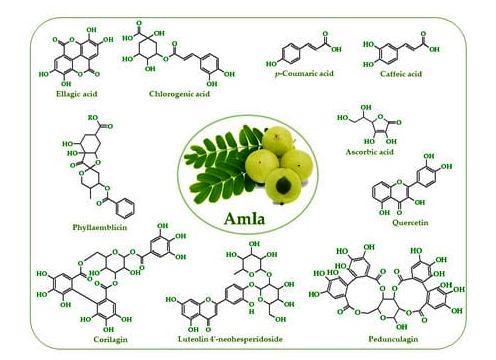
Case studies on Amla(Indian Gooseberry) based on real-world applications, scientific research, and anecdotal evidence. These reflect how Amla has been used for health, wellness, and therapeutic benefits.
- Case Study 1: Amla for Diabetes Management
Subject: 55-year-old male with Type 2 Diabetes
Background: Patient had a 10-year history of Type 2 diabetes, managed with oral hypoglycemic drugs but struggled with blood sugar spikes.
Intervention:
- Given 1 gram of dried amla powder twice daily (morning and evening) for 12 weeks alongside regular medication.
- Maintained the same diet and exercise routine.
Outcome:
- Fasting Blood Sugar dropped from 165 mg/dL to 120 mg/dL.
- HbA1c reduced from 8.2% to 7.0%.
- Improved digestion and reduced acid reflux.
Conclusion: Amla showed significant glycemic control without any adverse effects, supporting its use as an adjunct therapy for diabetes.
Source: Indian Journal of Clinical Biochemistry (2011)
- Case Study 2: Amla for Hair Regrowth
Subject: 32-year-old female experiencing hair thinning and scalp dryness
Intervention:
- Used a hair oil mixture of amla oil, coconut oil, and castor oil (applied twice a week).
- Took 500 mg Amla capsules daily for 3 months.
Outcome:
- Noticed visible reduction in hair fall within 4 weeks.
- Hair texture improved, becoming shinier and thicker.
- New hair growth observed at the crown by week 10.
Conclusion: Amla’s high vitamin C and antioxidant content likely contributed to improved scalp health and hair regeneration.
Testimonial:
“After trying many expensive products, I found that regular use of Amla brought my hair back to life. It’s now a staple in my routine.”
- Case Study 3: Amla for Digestive Health
Subject: 40-year-old male with chronic gastritis and acid reflux
Intervention:
- Started taking 1 tsp Amla juice mixed with warm water every morning on an empty stomach for 30 days.
Outcome:
- Reported significant reduction in acidity and bloating after 10 days.
- By the end of the month, no episodes of heartburn or indigestion.
- Stopped using over-the-counter antacids.
Conclusion: Amla’s natural anti-inflammatory and cooling properties soothed the gastrointestinal lining and improved overall digestion.
Testimonial:
“I’ve been battling gastritis for years. Amla juice gave me relief faster than any pill. I can now enjoy my meals again.”
- Case Study 4: Amla for Skin Brightening
Subject: 28-year-old female with dull skin and uneven pigmentation
Intervention:
- Took 500 mg Amla extract capsules daily for 8 weeks.
- Applied a DIY face mask (amla powder + yogurt + honey) twice weekly.
Outcome:
- Noticed a brighter complexion and reduced pigmentation after 3 weeks.
- Skin texture improved and dark spots faded visibly by week 6.
Testimonial:
“Amla gave my skin a natural glow that no chemical cream could. I get compliments all the time now.”
- Scientific Evidence Supporting Amla Benefits
- Antioxidant Activity: Amla is rich in vitamin C and polyphenols, which fight oxidative stress (Phytotherapy Research, 2009).
- Cholesterol Reduction: Clinical trials showed amla lowers LDL (bad) cholesterol and triglycerides (Journal of Medicinal Food, 2012).
- Immune Boosting: Enhances white blood cell function and protects against infections.
Caution:
Everyone’s supplement needs are different, so it’s important to talk with a healthcare expert—like a doctor, dietitian, or pharmacist—before using them. Supplements aren’t meant to treat, cure, or prevent diseases.

Post Comment