

“Everything You Need to Know About Methi (Fenugreek)”
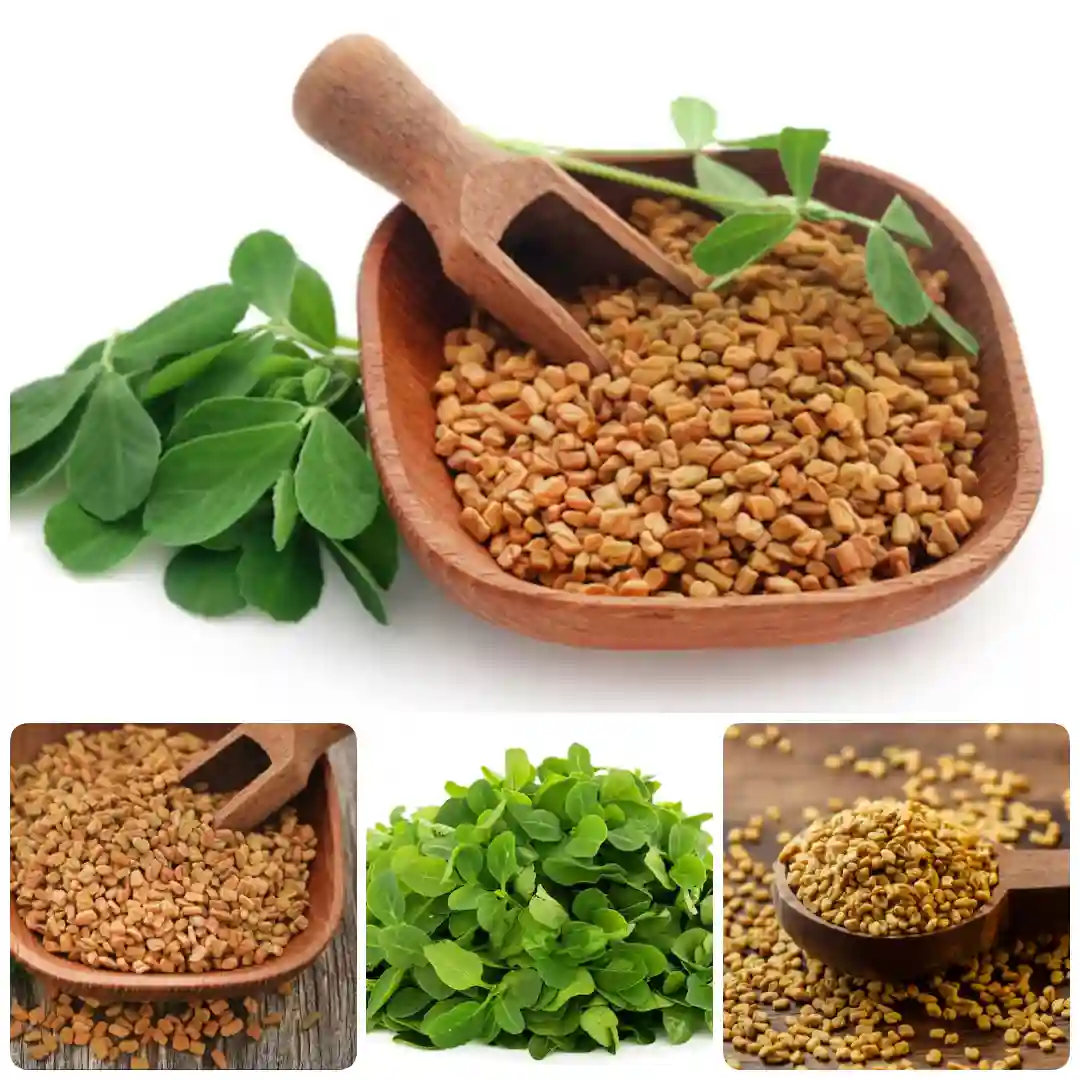
Botanical Name: Trigonella foenum-graecum, Fabaceae
Introduction
Since anicient healing era of Ayurveda, Methi (Fenugreek) has its unique medicinal property. It is not just kitchen spice but powerful herb with deep rooted healthy value. From centuries in ayurvedic term Methi is also known as “Methika” and considered a tridoshic herb means it can manage all three doshas such as Vata, Pitta and Kapha. If any one looking to support digestion, balance metabolism or nourish their hair and skin, Methi is a perfect place in wellness routine.
Key Properties of (According to Ayurveda)
- Rasa (Taste): Katu (Pungent), Tikta (Bitter)
- Guna (Qualities): Guru (Heavy), Snigdha (Unctuous)
- Virya (Potency): Ushna (Heating)
- Vipaka (Post-digestive effect): Katu (Pungent)
- Effect on Doshas: Balances Vata and Kapha; can increase Pitta if taken in excess
Different name in some other Language & Region:-
English : Fenugreek
Gujrati : Methi
Hindi : Methi
Kannada : Menthe, Mente
Malayalam : Uluva
Marathi : Methi
Punjabi : Methi
Tamil : Mendium, Ventaiyam
Telugu : Mentulu
Urdu : Methi
Top Health Benefits of Methi (Fenugreek)
1. Improves Digestion
2. Supports Blood Sugar Balance
3. Enhances Metabolism & Manages Weight
4. Promotes Reproductive Health
5. Strengthens Hair and Skin
How to use Methi (Fenugreek) as per Ayurveda
1. Dyslipidaemia (Abnormal or unhealthy levels of fats (lipids) in the blood): 10 gram Methi powder is administered along with warm water or buttermilk twice daily reduces cholesterol significantly.
2. Prameha (Diabetes): The powder prepared from equal quantity of methi seeds and turmeric should be administered in the dose of 5 -10 grams daily along with water, preferably on empty stomach.
3. Gastritis: 10 gram of seeds are soaked in water overnight. Next day morning this is macerated well and is consumed this paste, 30 minutes before food. It relieves the reflux esophagitis and gastritis.
4. Indigestion: 5-10gms Fenugreek seeds are fried a little and cooked well with milk (by adding little sugar, if necessary). This gives good strength to the intestines and improves the digestion.
5. Lactation: 10gms of methi seeds are cooked well with 200 ml of milk and add jaggery till it reduced to 100ml. Internal administration of this milk twice daily helps to increase breast milk production.
6. Piles: 10gram methi seeds powder consumed with lukewarm water along with half spoon of ghee. This relieves constipation as well as piles.
7. Hair fall: 50 gram of fenugreek seeds, 150 ml coconut or sesame oil is added and kept in sunshine for 6 days. Then it is filtered and stored. Regular application of this oil acts as a good hair tonic.
8. Hair conditioner: 10 gram of methi seeds are soaked in water and kept overnight. Next day morning made into fine paste and is applied to the scalp as hair mask. This is retained for 30-45 minutes and rinsed with water. This acts as a natural conditioner for hair.
Precautions:
- Avoid excess consumption during pregnancy unless supervised by a practitioner.
- May cause excessive heat or acidity if taken in high doses, especially in Pitta-dominant individuals.
Caution:
Everyone’s supplement needs are different, so it’s important to talk with a healthcare expert—like a doctor, dietitian, or pharmacist—before using them. Supplements aren’t meant to treat, cure, or prevent diseases.
Frequent Asked Questions (FAQs) for Methi (Fenugreek).
- What is Methi (Fenugreek)?
- What are the top benefits of Methi (Fenugreek) ?
- How is use Methi (Fenugreek)?
- What is the recommended dosage of Methi (Fenugreek)?
- What is precautions of Methi (Fenugreek)?
- What are key properties of Methi (Fenugreek)?

Post Comment